How to Start Concert Photography With No Experience
A practical guide for beginners who want to start photographing live music, even if they have no experience, no connections, and no photo pass.
The first concert I ever tried to photograph was in a tiny bar in Santa Monica. I found the band on Facebook and asked if I could come out and shoot a few photos.
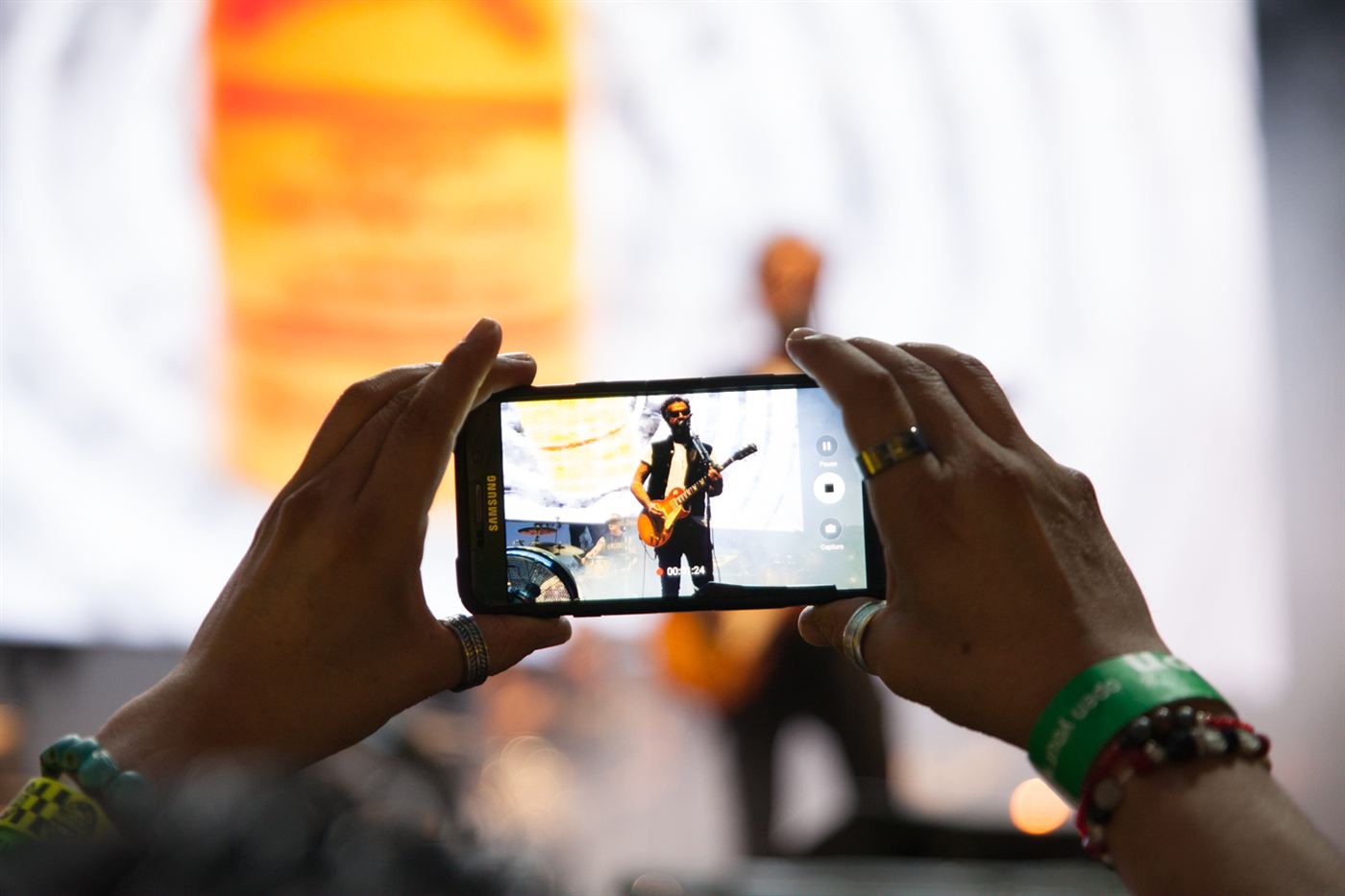
I walked into the venue with so much confidence.
I was quickly humbled. Within a few minutes I realized concert photography was a totally different animal.
The lighting was terrible. Deep red lights everywhere. The musicians were moving fast and I was not ready for it. I had a crop sensor camera and I was shooting JPEG because I did not really know any better at the time. The photos were rough. Really rough.
But the funny thing is the band loved them.
They were just excited that someone showed up with a camera and wanted to photograph their performance. That moment taught me something important about how to start concert photography with no experience. You do not need perfect photos in the beginning. You just need to start.
All concert photographers begin in the same place. No photo pass. No connections. No fancy gear. Just curiosity and a camera.
Getting started usually means photographing small venues and local bands where mistakes are allowed and experimentation happens naturally. That environment is actually perfect because the pressure is low and every show teaches you something new.
Concert photography is difficult for a few reasons:
- Very low light
- Musicians moving quickly
- Unpredictable stage lighting
- Crowded environments
But those challenges are exactly what make it exciting. Once you learn a few key fundamentals like camera settings, timing, composition, and how to approach venues, your skills grow faster than you might expect.
This guide will walk through how to start concert photography with no experience, including how to find shows, how to practice, and how to slowly build credibility in the music scene.
If you want a deeper breakdown of settings, lenses, and low-light technique, read Concert Photography for Beginners: A Complete Starter Guide.
How Concert Photography Actually Works
Before trying to shoot concerts regularly, it helps to understand what concert photographers actually do. When I first started I thought the job was simply standing in front of the stage and taking photos of the band.
Turns out it is a bit more complicated than that.
Concert photography is a mix of live music photography, event photography, and storytelling. The goal is not just to photograph the musicians, but to capture the energy of the show. That includes the performers, the lights, and sometimes even the crowd.
There are several types of shows concert photographers typically cover:
- Small venue performances
- Bar gigs
- Music festivals
- Arena shows
Most beginners start with small venues and local bands. This is where photographers can move around more freely and learn how stage lighting behaves.
One thing that surprises many beginners is something called the first three songs rule. Many concerts only allow photographers to shoot during the first three songs of a performance. After that photographers must leave the pit.
This rule exists for several reasons. Lighting is usually strongest at the beginning of a show and artists often prefer fewer distractions during the rest of the performance.
When I first heard about the rule it sounded stressful. Three songs is not much time. But after a few shows I realized something important.
Three songs is actually plenty if you know what you are doing.
You learn to move quickly. Change angles. Watch the lights carefully. Anticipate moments before they happen. Those skills develop naturally the more shows you shoot.
Start With the Gear You Already Have
A lot of beginners think they need expensive gear before they can start shooting concerts. I believed that for a long time too.
But the reality is most people can start with the camera they already own.
Concert venues are dark, so gear does matter a little. But you do not need a huge setup to get started.
The biggest advantage comes from using a fast lens.
A fast lens lets in more light and helps keep your shutter speed high enough to freeze motion. Lenses with apertures around f/1.8 to f/2.8 are commonly used in concert photography.
Some great beginner lens options include:
- 35mm f/1.8
- 50mm f/1.8
- 85mm f/1.8
The 50mm f/1.8 is often called the "nifty fifty." It is cheap, sharp, and incredibly useful in low light environments.
Another important change beginners should make is shooting RAW instead of JPEG.
RAW files give you far more flexibility when editing concert photos. Stage lighting can produce strange colors and exposure problems. RAW files allow those issues to be corrected later.
One more thing that beginners ask about a lot is flash.
Flash photography is almost always discouraged during concerts. Bands typically do not want bright flashes distracting them during performances. If you see someone using flash, they usually have permission from the band or venue.
Do not assume that because someone else is using flash you can do the same. It is best to avoid it completely.
Start Shooting Local Shows
If someone asked me the fastest way to learn concert photography, the answer would be simple.
Go shoot local shows.
Small venues are incredible training grounds. They are usually more relaxed and photographers can move around freely. That freedom helps you experiment with angles, camera settings, and composition.
Some great places to practice include:
- Local music venues
- Open mic nights
- Community festivals
- Small clubs
I spent a lot of time shooting shows in the Santa Monica area when I was getting started. Places like Rusty's Surf Ranch and Saint Rocke in Hermosa Beach were great for practice. The lighting was not always perfect but that was part of the learning process.
I also photographed community events like 5K races and Dia de los Muertos performances. Those environments helped me practice working quickly and capturing moments in unpredictable lighting.
One of the most rewarding things about photographing local bands is watching them grow. I photographed a few groups when they were playing tiny shows with almost no audience.
Years later some of those same bands were performing at major festivals in front of thousands of people.
That is a pretty cool thing to witness.
How to Build Your First Concert Photography Portfolio
Once you have photographed several shows, you will start collecting images worth sharing.
The next step is building a simple portfolio.
Many beginners make the mistake of uploading everything they shoot.
That is not the best approach.
A strong concert photography portfolio usually contains 10 to 20 of your best images. Quality matters much more than quantity.
Your portfolio should show variety:
- Different bands
- Different lighting situations
- Crowd interaction
- Close-up performer shots
- Wide stage shots
Creating a simple photography website can help organize your work. Even a basic gallery page is enough to start.
Sharing images on social media can also help musicians discover your work. Bands are always looking for strong photos they can use for promotion.
Another thing that improves a portfolio is storytelling.
Concert photography is not just about sharp images. The best photos capture emotion, energy, and the atmosphere of the performance.
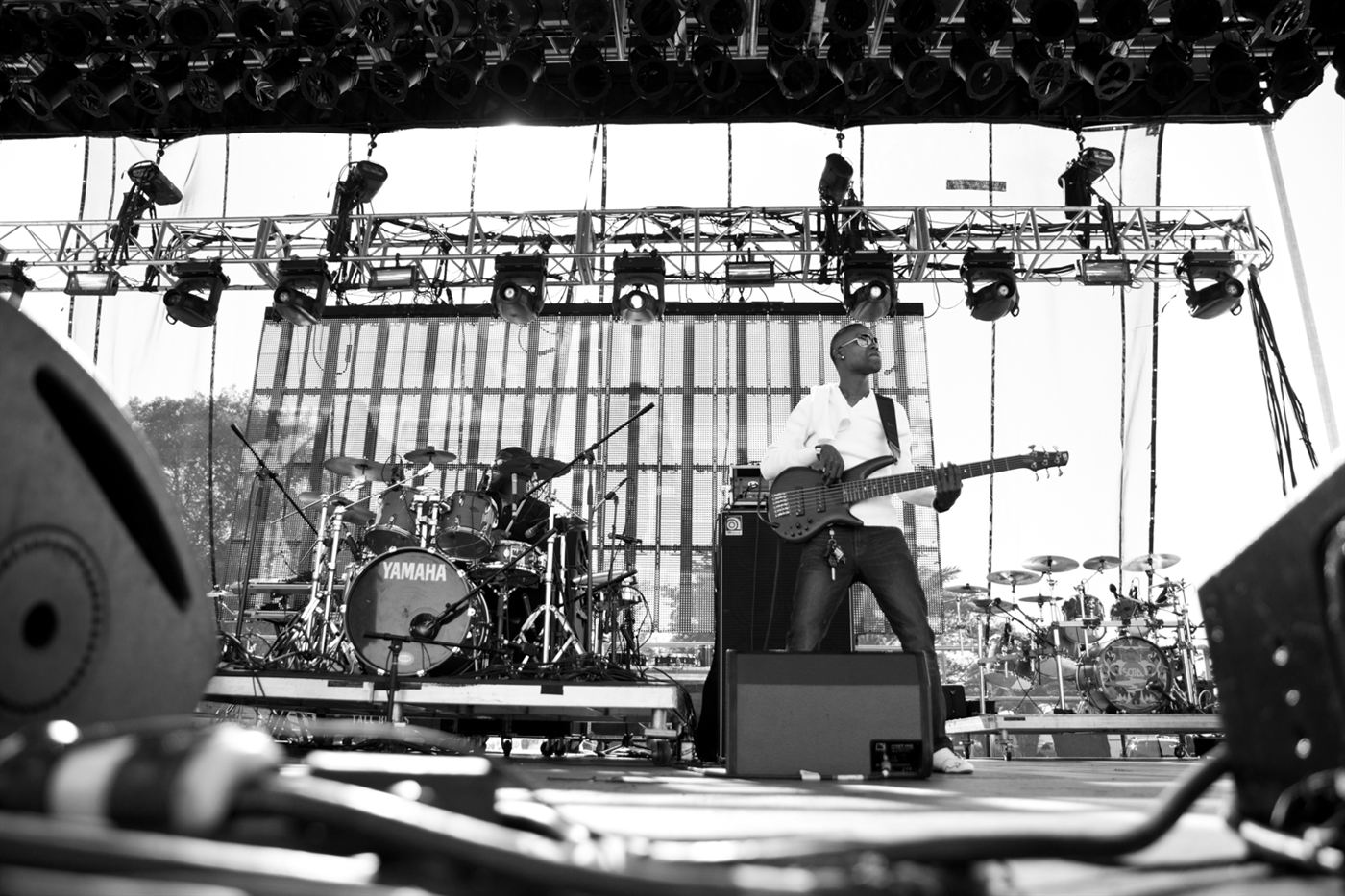
How to Network With Bands and Venues
Networking is one of the most important parts of building a career in concert photography.
When I first started, most opportunities came from simply talking with bands after their shows. Musicians are usually excited to see photos from their performances.
Offering to photograph smaller shows can lead to long term connections.
A lot of concert photographers eventually work with:
- Music publications
- Tour managers
- Promoters
- Venues
Something interesting happened during the pandemic in 2020. My entire network basically disappeared overnight. Tours stopped. Venues closed. Many of the managers and technicians I knew moved into different industries.
When live music started returning I had to rebuild those relationships again.
The process was exactly the same as before. Attend shows. Meet people. Share your work.
Networking takes time, but it builds naturally when you are consistently showing up in the music scene.
Conclusion
Starting concert photography with no experience can feel intimidating at first. The lighting is chaotic, performers move constantly, and the environment can feel overwhelming.
But every concert photographer begins the same way.
They show up to small shows. They experiment with camera settings. They make mistakes and slowly improve with each performance they photograph.
The most important thing is simply to start.
Find local venues. Shoot small gigs. Pay attention to how stage lighting behaves. Over time your timing improves, your compositions get stronger, and your portfolio grows naturally.
Live music photography rewards patience and persistence. The more shows you shoot, the better your instincts become.
Grab your camera and go photograph a show. That is where the real learning begins.